Personalized Microbiome Engineering: The Future of Customized Health
The human microbiome, composed of trillions of microorganisms living within and around us, plays a crucial role in our overall health and wellbeing. Recent advances in genetic engineering and microbiology have led to the emergence of a groundbreaking field: personalized microbiome engineering. This innovative approach aims to tailor the microbial community in and around our bodies to prevent, diagnose, and treat diseases, as well as enhance our quality of life. In this article, we will delve into the world of personalized microbiome engineering, exploring its current state, potential applications, and the technological and ethical considerations that come with it.
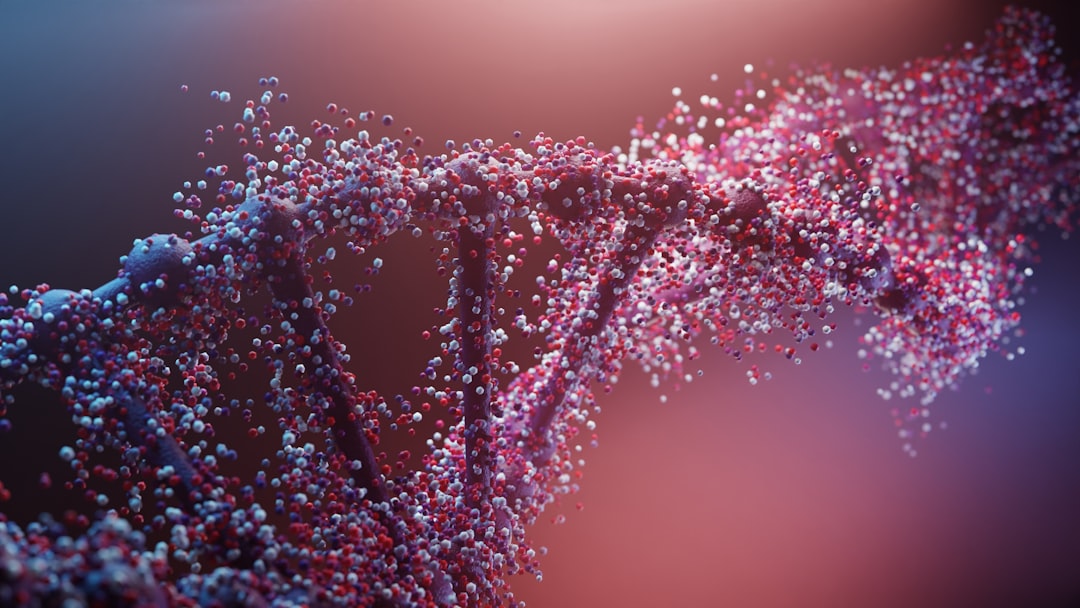
Introduction to Microbiome Engineering
Microbiome engineering is a multidisciplinary field that seeks to understand and manipulate the complex interactions between microorganisms and their environments. By leveraging advances in genetic engineering, synthetic biology, and microbiology, researchers can design and construct new microbial communities with specific functions. These functions can range from producing bioactive compounds and degrading pollutants to influencing human health and behavior. The potential applications of microbiome engineering are vast, from improving crop yields and developing novel biofuels to creating personalized therapies for various diseases.
Current State of Microbiome Engineering
While microbiome engineering is still in its early stages, significant progress has been made in recent years. Researchers have successfully engineered microbes to produce bioactive compounds, such as vitamins and hormones, and to degrade environmental pollutants, such as pesticides and heavy metals. Additionally, studies have shown that microbiome engineering can be used to prevent and treat various diseases, including infectious diseases, inflammatory disorders, and even mental health conditions. However, much remains to be discovered, and the field is ripe for further exploration and innovation.

Personalization in Microbiomics
Personalized microbiome engineering takes the concept of microbiome engineering a step further by tailoring the microbial community to an individual's unique health needs. This approach recognizes that each person's microbiome is distinct and influenced by a complex array of factors, including genetics, diet, environment, and lifestyle. By analyzing an individual's microbiome and health profile, researchers can design personalized therapies that target specific health issues, such as digestive problems, autoimmune disorders, or mental health conditions.
Gut Health Optimization
One of the primary applications of personalized microbiome engineering is gut health optimization. The gut microbiome plays a crucial role in our overall health, influencing digestion, immune function, and even brain activity. By engineering the gut microbiome to produce specific compounds or to degrade harmful substances, researchers can develop personalized therapies for various gut-related disorders, such as irritable bowel syndrome (IBS), inflammatory bowel disease (IBD), and even obesity.
Technological and Ethical Considerations
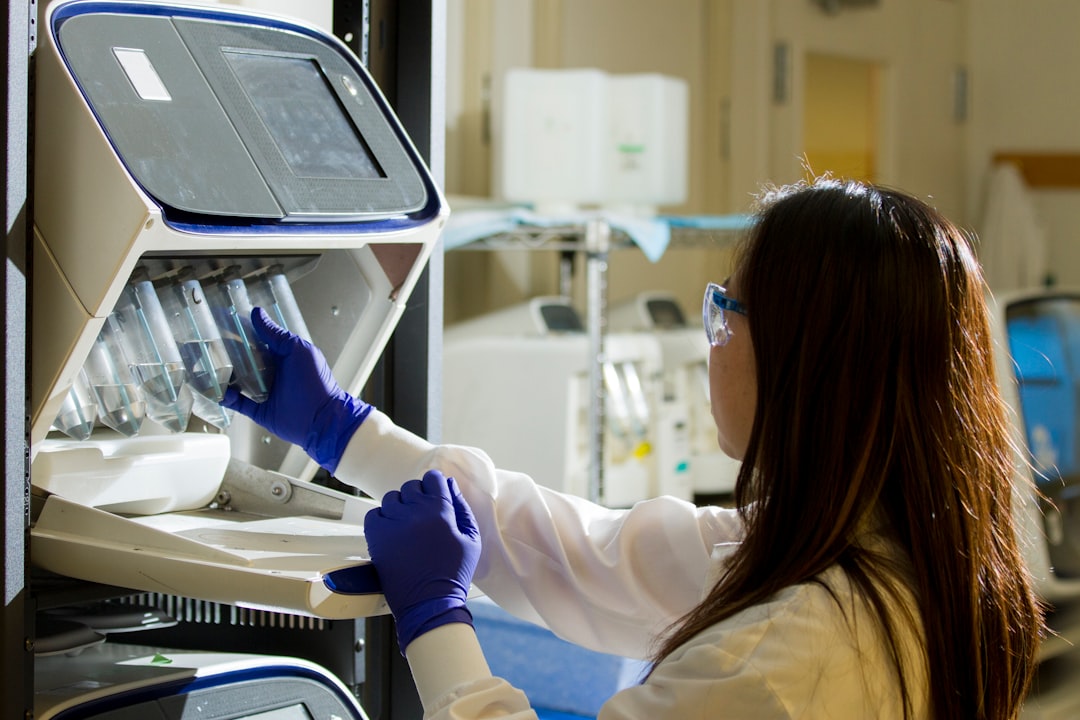
While personalized microbiome engineering holds tremendous promise, it also raises important technological and ethical considerations. One of the primary challenges is the development of safe and effective methods for delivering engineered microbes to the human body. This requires a deep understanding of the complex interactions between microbes and their environments, as well as the development of novel delivery systems, such as probiotics, prebiotics, and gene editing tools.
Ethical Implications
The ethical implications of personalized microbiome engineering are equally important. As with any form of genetic engineering, there are concerns about the potential risks and unintended consequences of manipulating the human microbiome. Additionally, there are questions about access and equity, as personalized microbiome engineering may only be available to those who can afford it, exacerbating existing health disparities. Researchers and policymakers must carefully consider these ethical implications and develop guidelines and regulations to ensure that personalized microbiome engineering is developed and applied responsibly.
Case Studies and Future Directions
While personalized microbiome engineering is still in its early stages, there are already several case studies and pilot projects that demonstrate its potential. For example, researchers have used microbiome engineering to develop personalized therapies for patients with Crohn's disease, a type of IBD. Additionally, there are several companies and research institutions exploring the use of microbiome engineering for various applications, including gut health optimization, skin health, and even mental health.
Future Research Directions
As the field of personalized microbiome engineering continues to evolve, there are several future research directions that hold promise. One of the most exciting areas is the development of novel gene editing tools, such as CRISPR, which can be used to precisely manipulate the human microbiome. Additionally, there is a growing interest in the use of artificial intelligence and machine learning to analyze and predict the behavior of complex microbial communities. These advances will be critical in unlocking the full potential of personalized microbiome engineering and realizing its promise for human health and wellbeing.
Frequently Asked Questions
What is personalized microbiome engineering?
Personalized microbiome engineering is a field of research that seeks to tailor the microbial community in and around the human body to prevent, diagnose, and treat diseases, as well as enhance overall health and wellbeing.
How does personalized microbiome engineering work?
Personalized microbiome engineering involves analyzing an individual's microbiome and health profile to design personalized therapies that target specific health issues.
What are the potential applications of personalized microbiome engineering?
The potential applications of personalized microbiome engineering are vast, including gut health optimization, skin health, mental health, and even the prevention and treatment of various diseases.
What are the ethical implications of personalized microbiome engineering?
The ethical implications of personalized microbiome engineering include concerns about safety, access, and equity, as well as the potential risks and unintended consequences of manipulating the human microbiome.
Conclusion
Personalized microbiome engineering is a revolutionary field that holds tremendous promise for human health and wellbeing. By tailoring the microbial community to an individual's unique health needs, researchers can develop personalized therapies that target specific health issues, from digestive problems and autoimmune disorders to mental health conditions. While there are technological and ethical considerations that must be carefully considered, the potential benefits of personalized microbiome engineering make it an exciting and worthwhile area of research. As the field continues to evolve, we can expect to see significant advances in our understanding of the human microbiome and the development of novel therapies that improve human health and wellbeing.